
Rattan · Outdoor weaving
Synthetic rattan: the woven look for an outdoor brief
Look at the weave, hidden frame, and cushion together when specifying a woven chair, sofa, or sun lounger.
3 min read Read article
Rattan · Natural cane
Explore cane backs, woven cabinet panels, and relaxed furniture details—and understand where natural rattan belongs.
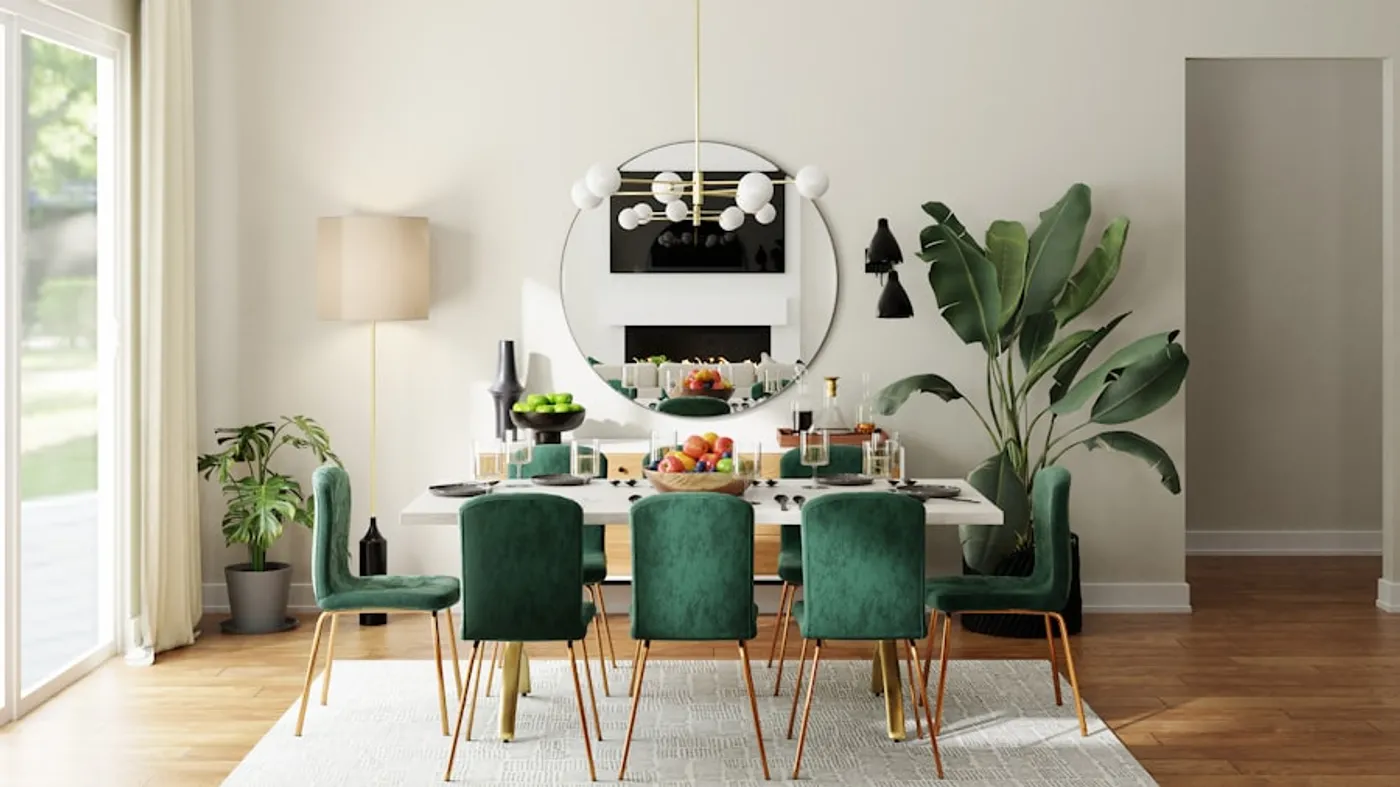
A woven chair back can change the mood of a whole dining room. Light passes through it, the pattern adds detail, and the furniture feels less visually heavy. Natural rattan offers many ways to bring that character into a home without making every piece match.
Rattan comes from palms with flexible stems. FAO describes cane being used whole for furniture frames or split and processed for woven work. The frame of a rattan chair and a fine cane panel can therefore come from the same material family while performing different roles.
Ask what a sample actually contains. Natural cane, synthetic wicker, and woven rope may create a similar visual rhythm, but they are not interchangeable material descriptions.
For a natural-rattan brief, start by discussing indoor use. Sika-Design’s guidance for its rattan furniture cautions against rain and humid pool areas; even a covered position needs the right conditions. Check the care guidance for the specific furniture rather than treating a roof as complete protection.
A reading corner, bedroom, or enclosed dining room gives you a different starting point from an exposed terrace. Share the actual location before selecting the weave.
An open cane panel reveals what is behind it. That can be lovely on a chair back, but on a cabinet you may want a lining to soften the view of stored items. Review the panel from both sides and agree how it meets the frame.
For a quieter room, repeat one weave on a small number of pieces. Pair it with plain upholstery and simple timber profiles so the texture remains easy to appreciate.
Look at the panel edges, bindings, attachment points, and reverse side. For seating, discuss how the cushion or woven surface is supported. A decorative cabinet insert should not be assumed suitable as a seat.
Ask whether a woven panel can be replaced and what cleaning method the maker permits. That conversation is particularly useful when ordering several chairs for a villa or dining space.
Timber frame · natural cane back · upholstered seat
An indoor chair that combines an open back with a comfortable seat. Coordinate arm height with the table if the chair has arms.
Wooden cabinet · natural rattan insert · optional backing
A small accent piece that introduces texture beside a plain headboard. Decide whether the contents should be visible through the weave.
Framed cane inserts · timber border · separate bed structure
A bedroom concept with rattan used as a decorative element. Resolve the panel support and cleaning access before production.
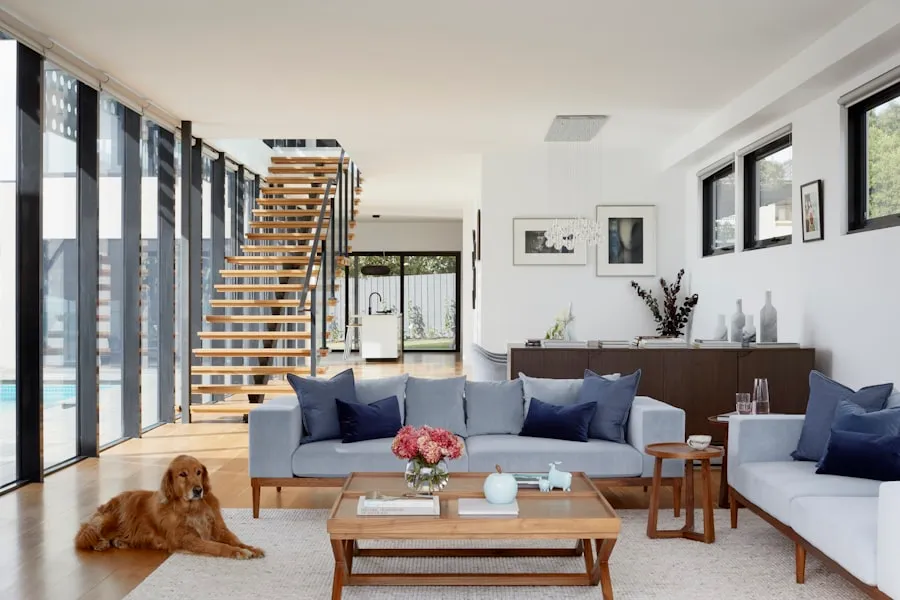
Rattan · Outdoor weaving
Look at the weave, hidden frame, and cushion together when specifying a woven chair, sofa, or sun lounger.
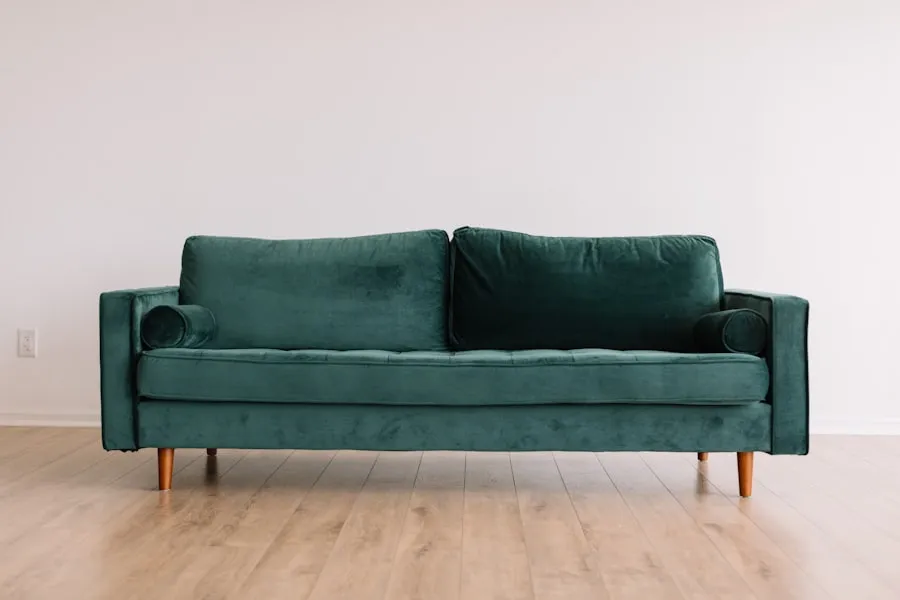
Metal · Iron & steel
Explore timber-top tables, slim consoles, and metal shelving while learning what an iron-frame specification should clarify.
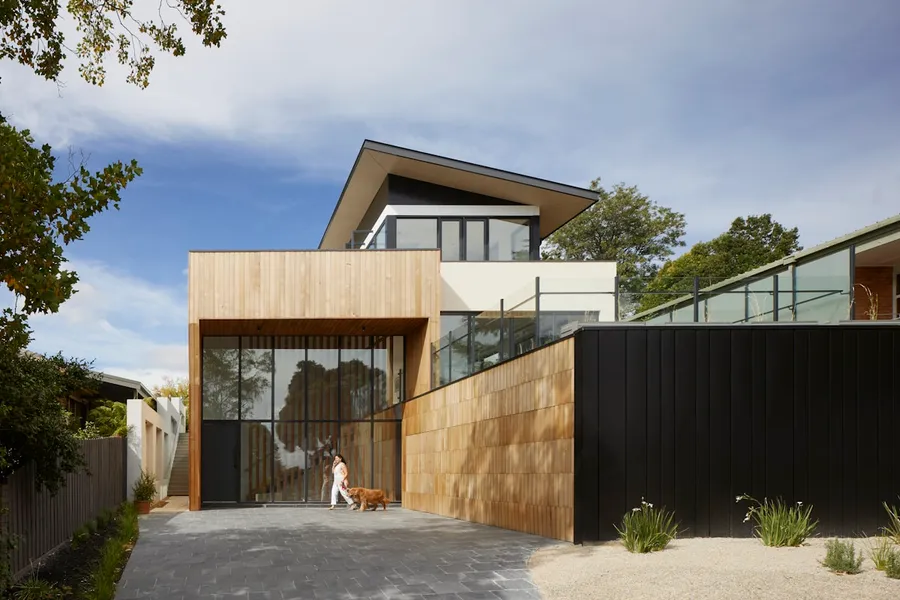
Metal · Aluminium
Consider aluminium for lounge chairs, dining sets, and poolside furniture, with attention to the frame, coating, and daily handling.
Start a conversation
Tell us about your space, your inspiration, and what you have in mind. We would love to hear from you.