
Interior inspiration
Creating a villa interior that feels connected
A practical design approach to proportion, repeated details, and a material palette that connects one room to the next.
2 min read Read article
Materials & finishes
Look beyond colour to the construction, room conditions, finish, and care expectations behind a furniture specification.

Two pieces can share a similar timber colour while being built very differently. Material selection is most useful when it connects appearance with the purpose of the furniture, its environment, and the way it will be cared for. There is no single material that answers every brief.
A description such as wood finish does not explain the construction. Ask your maker to identify the material used for the frame, visible surfaces, internal panels, drawer boxes, and backing. Clarify whether a visible wood surface is solid timber, a wood veneer, or another decorative finish.
Compare complete specifications, not only product names or photographs. The surface material, supporting structure, connections, and finish should be considered together when discussing suitability and price.
Wood exchanges moisture with its surroundings. Changes in humidity and temperature influence that exchange, which affects its behaviour in service. Discuss whether the furniture will be used in an open tropical room, an air-conditioned interior, or another environment before confirming the specification.
This is a reason to discuss the actual destination with your maker, rather than selecting a material only from a photograph. Avoid assuming that every timber construction will respond identically in every room.
The USDA Wood Handbook describes drying, handling, and storage as important parts of controlling moisture-related dimensional changes. Ask how the timber will be prepared for its intended use and what storage conditions are appropriate before installation.
A species name alone does not answer those questions. It is useful to keep material preparation, construction, and destination conditions in the same conversation.
Review sheen, texture, grain visibility, and colour using a physical sample where possible. Place it beside flooring, wall finishes, fabrics, and stone rather than viewing it in isolation. A finish that looks balanced on its own may feel very different in the completed room.
Ask for the care instructions associated with the chosen finish, including which products to avoid and how repairs should be handled. Record the approved sample reference so the final specification is clear.
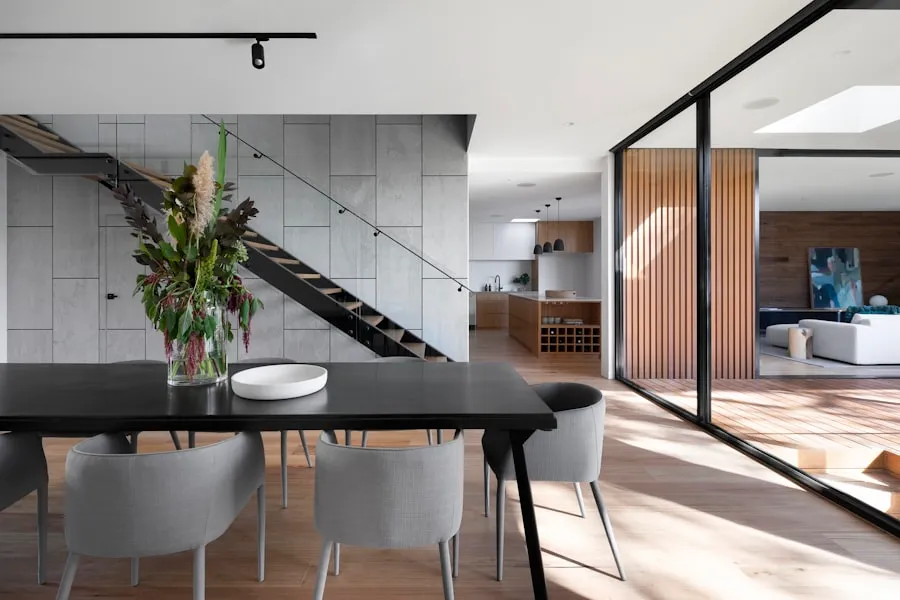
Interior inspiration
A practical design approach to proportion, repeated details, and a material palette that connects one room to the next.
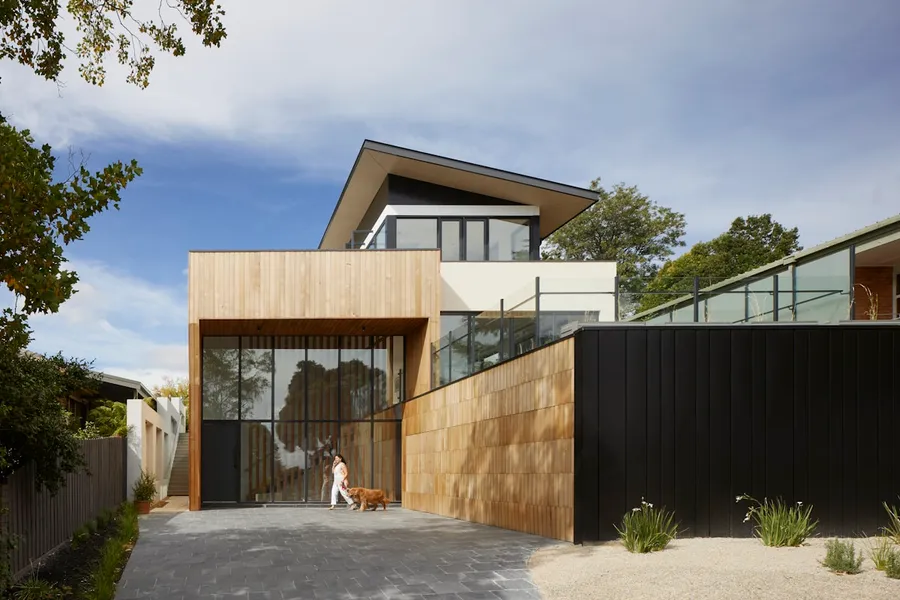
Outdoor living
Plan for the actual setting, the complete cushion construction, and a care routine before choosing outdoor furniture.
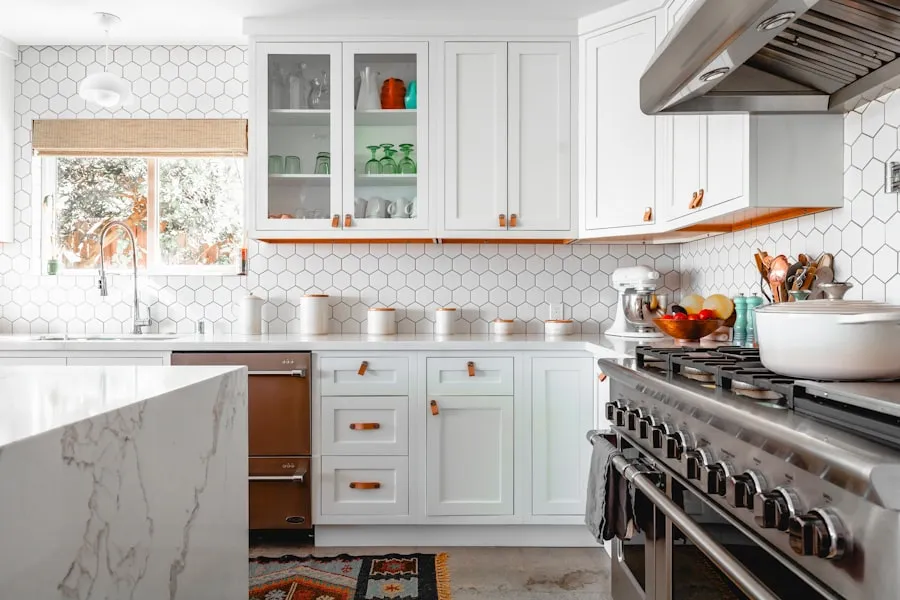
Custom joinery
Build a clearer joinery brief by starting with storage needs, appliance information, opening space, and the details you use daily.
Start a conversation
Tell us about your space, your inspiration, and what you have in mind. We would love to hear from you.