
Rattan · Natural cane
Natural rattan: texture that makes a room feel softer
Explore cane backs, woven cabinet panels, and relaxed furniture details—and understand where natural rattan belongs.
3 min read Read article
Wood · Construction
Understand the difference between a timber surface and the construction behind it, with examples for tables, cabinets, and wardrobes.
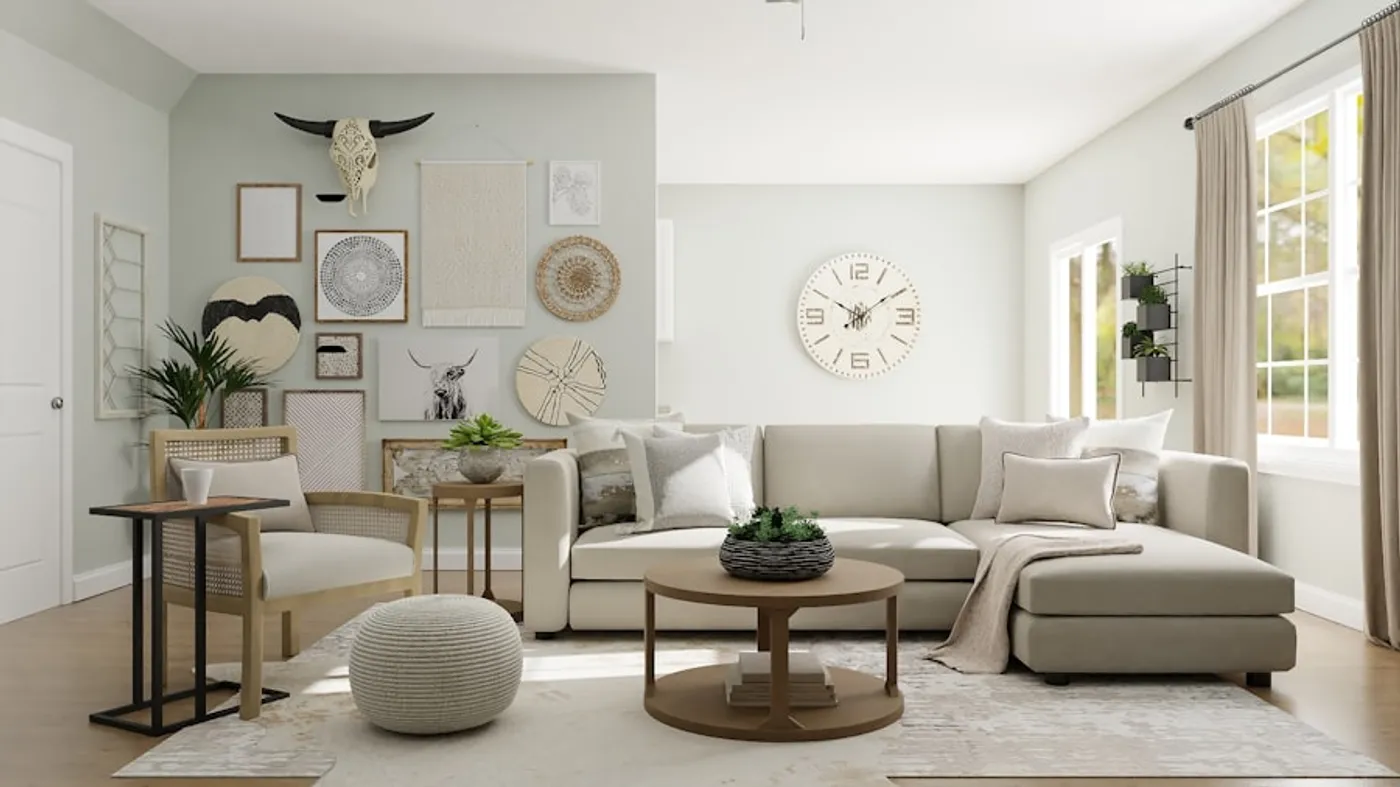
Open two cabinet doors with similar wood grain and you may find very different constructions. That difference is worth understanding before comparing quotations. A useful specification tells you both what you will see and what supports it.
Solid wood describes timber through the component, rather than only a thin decorative face. Wood veneer is a thin wood layer that can be bonded to a supporting material. A veneered panel can therefore have a real timber surface without being solid timber throughout.
Plywood is a panel made from bonded veneer layers, with neighbouring layers generally arranged across the grain. The USDA Wood Handbook explains that its properties depend on the veneers, their arrangement, the adhesive, and manufacturing quality.
Instead of asking whether one material is always better, discuss the part being designed. A shaped chair arm, a wide wardrobe door, and a concealed cabinet back do different jobs. The maker should explain the construction proposed for each one.
A mixed specification can be intentional: visible timber legs, a veneered cabinet body, and separately specified drawer boxes. Ask for those distinctions to appear in the quotation so you can compare like with like.
An edge sample can answer questions that a front-facing photograph cannot. Ask how the corners, exposed edges, handle recesses, and cut-outs will be finished. Review the inside of the piece as well as the face.
For a wood-grain cabinet, decide whether grain should continue across adjoining doors or run separately on each panel. Put that choice on the drawing. It can make a noticeable difference to the finished composition.
Tell the maker if the furniture sits near plumbing, in an open tropical room, or in an air-conditioned interior. Ask which panel grade, adhesive system, edge treatment, and finish they propose for that setting; a decorative surface name is not enough.
Keep care and repair expectations realistic. Ask what can be refinished or replaced on the actual construction, rather than assuming every wood-looking surface can be treated in the same way.
Specified panel core · real wood veneer · matching edge treatment
A living-room sideboard with carefully aligned doors. Approve a drawing showing grain direction and a sample that includes the edge.
Specified cabinet panels · timber or painted finish · selected hardware
A built-in wardrobe whose internal layout and door construction are chosen together. Confirm the panel build-up rather than relying on the finish colour.
Solid wood top · agreed support · sample finish
A dining-table concept where the edge profile is part of the design. Ask the maker to resolve the top and supporting frame as one construction.
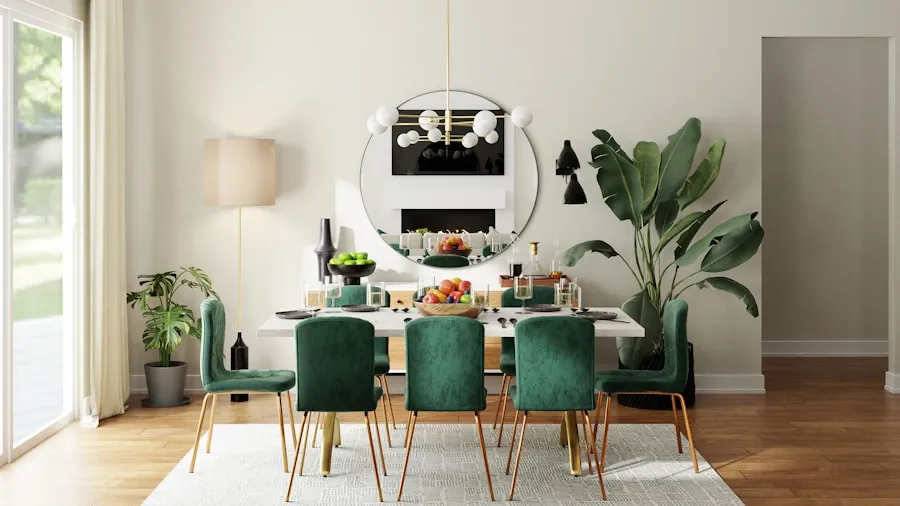
Rattan · Natural cane
Explore cane backs, woven cabinet panels, and relaxed furniture details—and understand where natural rattan belongs.
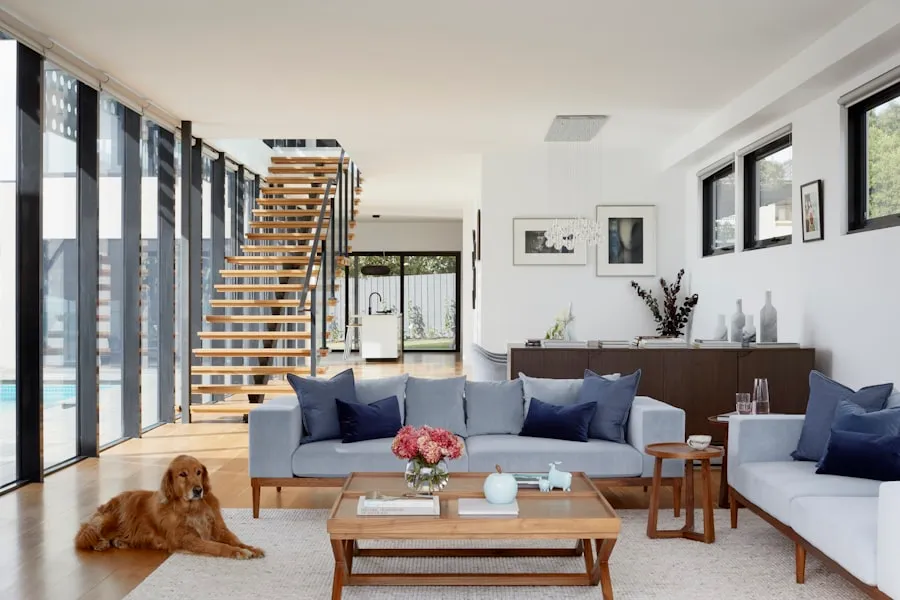
Rattan · Outdoor weaving
Look at the weave, hidden frame, and cushion together when specifying a woven chair, sofa, or sun lounger.
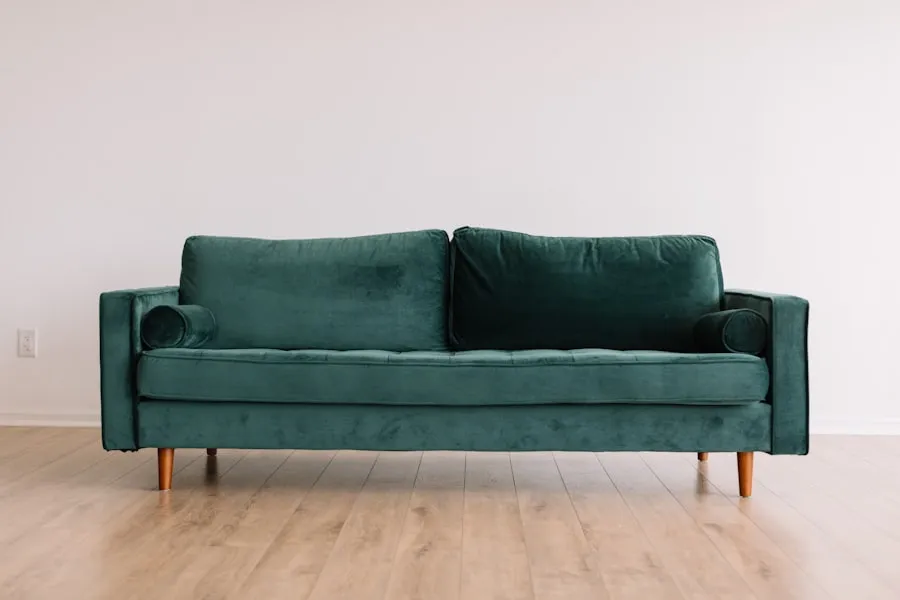
Metal · Iron & steel
Explore timber-top tables, slim consoles, and metal shelving while learning what an iron-frame specification should clarify.
Start a conversation
Tell us about your space, your inspiration, and what you have in mind. We would love to hear from you.